Let's name the real problem
Here's what nobody talks about clearly: you need 20 minutes of foreplay. Your partner is ready in five. Or you're the one who could go straight to penetration, and they want a slow build. The mismatch is real, it happens in most partnerships at some point, and it makes sex feel rushed on one end and stalled on the other.
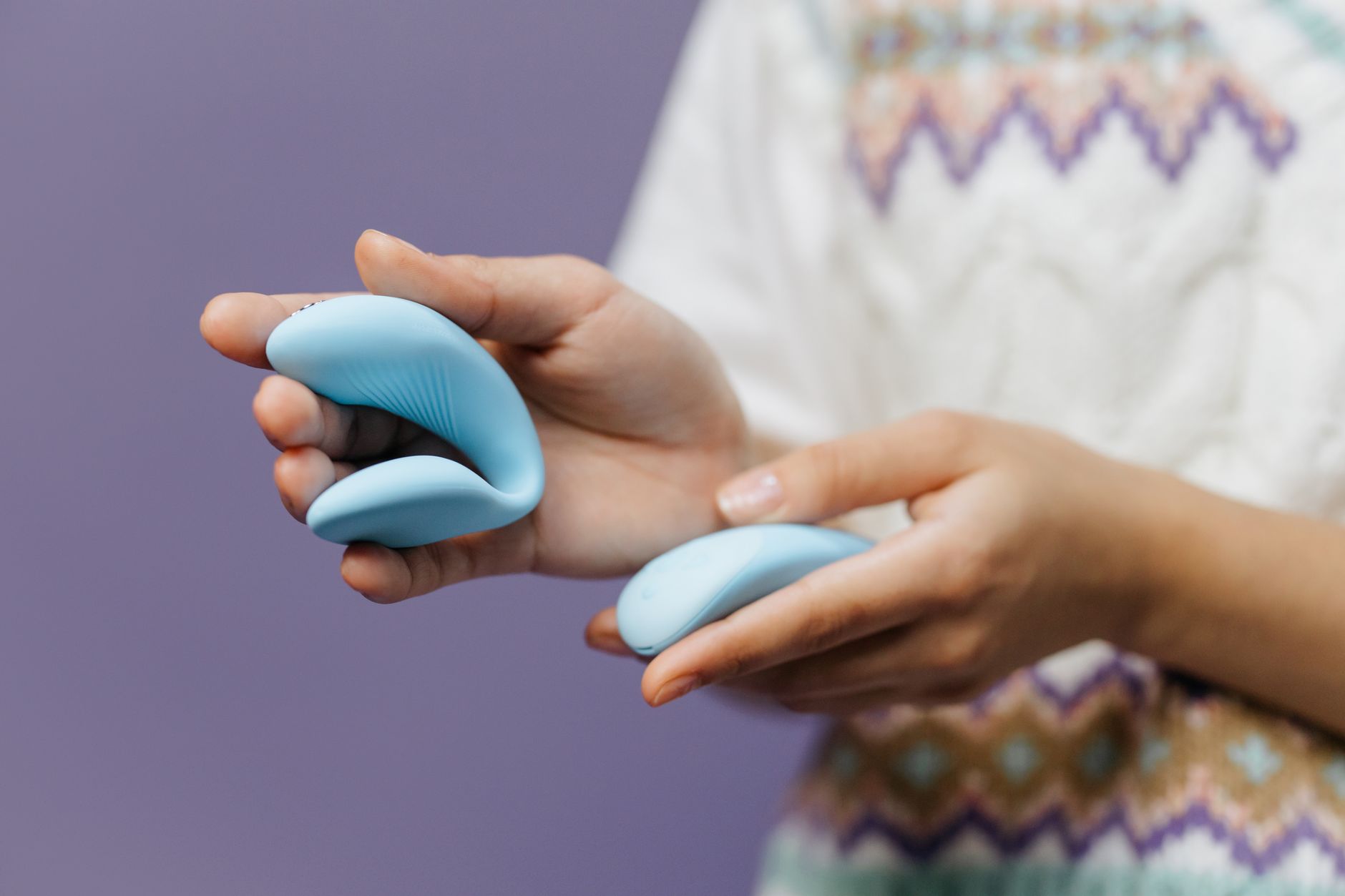
A lemon clitoral vibrator doesn't erase the mismatch. But it does something more useful. It gives you both a way to get what you need without forcing the other person to perform outside their natural rhythm.
The timing problem is about biology, not desire
Arousal takes time. For most people with vulvas, clitoral stimulation is the fastest path to orgasm, but "fastest" doesn't mean instant. The nerve endings need consistent, sustained stimulation. Blood flow needs to build. The clitoris itself swells and shifts position slightly as arousal deepens. This is not slow. It's just not immediate.
Meanwhile, your partner might be the type who reaches full arousal in five minutes flat. Nothing is wrong with them. Nothing is wrong with you. You're just operating on different timelines, and nobody's taught you how to manage that without someone feeling guilty or pressured.
Most couples try to fix this by one person speeding up or the other person slowing down. Both approaches fail. You can't think your way into faster arousal, and you can't actually slow down someone's natural response without creating resentment.
How a lemon vibrator shifts the dynamic
A lemon clitoral vibrator like the air-suction style works because it concentrates stimulation fast, which means your body can catch up to your partner's timeline, without them having to wait around doing nothing. They're not rushing you. You're not asking them to slow down. The vibrator becomes the foreplay engine.
Here's what actually changes:
You get the stimulation you need in the timeframe your body actually needs it. Air-suction vibrators create a rhythmic pulling sensation that builds arousal quickly and intensely. Most people reach a strong clitoral response in 5-15 minutes, depending on the pattern and how you're using it. That's not slow. It's efficient.
Your partner feels useful, not idle. While you're using the vibrator, they can do other things. Kiss you. Touch your body elsewhere. Build intimacy without it feeling like they're waiting around. The foreplay continues. It's just not all about their fingers or tongue.
The pressure lifts. Your partner no longer has to be perfect at manual or oral stimulation. The vibrator is consistent in a way no human mouth can be. That removes a huge source of performance anxiety for them, and it removes the guilt from you about needing longer.
The practical setup: using a lemon vibrator together
There are two ways this works, depending on your setup:
1. You use it solo while they're present and involved. You settle in, they're kissing you or touching other parts of your body, and you're using the lemon vibrator on yourself. They're not doing nothing. They're building intimacy through touch and presence. Most people find this feels less clinical than it sounds. It's genuinely hot because the focus shifts from performance to connection.
2. They use it on you. This works if your partner is curious and willing. The learning curve is basically zero. Start on pattern one or two, adjust based on your feedback. They'll figure out what rhythm you respond to. Some people prefer this because it keeps the focus on you both. Others find it more intimate because your partner is still the one delivering the stimulation.
Start with a real conversation, not a toy
Here's the mistake most couples make: they introduce a lemon vibrator thinking the toy will fix the timing mismatch without ever actually discussing why the mismatch bothers them. It won't work that way.
Talk to your partner before you bring the vibrator into the bedroom. Say something like, "I've noticed we're on different timelines for arousal, and I want to find a way that works better for both of us. I've been thinking about trying a toy, but I want to know what you think first." Most partners will be relieved. They probably felt the tension too.
If your partner resists the idea, listen. Sometimes the resistance isn't really about the toy. It's about feeling replaced or inadequate. That's worth addressing directly before you pull out any equipment. And sometimes resistance is legitimate nervousness, which is different from refusal. Curious partners often feel better after they see how it works.
The technical part: how to use a lemon vibrator during foreplay
If you're using it solo while your partner is involved:
Start with the vibrator on a lower pattern before you're fully aroused. The sensation can actually feel too intense if you jump straight to pattern five when you're barely turned on. Most people find patterns one through three work during the building phase. Around minutes 5-10, when arousal is obvious (your breathing changes, your body gets more responsive), you can increase the intensity.
Position matters. The lemon vibrator works best directly on the clitoris or just above it. Find your own sweet spot. Some people prefer the vibration centered right on the tip of the clitoris. Others want it slightly higher on the hood. Test this alone first so you know what feels right before you're mid-foreplay with your partner.
If your partner is using it on you, communicate in real time. "Slower here" or "can you stay in that spot" is all it takes. Most partners actually appreciate the direction because it removes the guesswork.
The emotional part: what changes after you start using it
Once you introduce a lemon vibrator into your rhythm, foreplay stops feeling like a negotiation. You're not enduring their pace or asking them to match yours. You're both getting what your bodies need. That's surprisingly liberating for couples who've been stuck in timing tension for months or years.
Some people worry that using a vibrator means they'll become dependent on it, or their partner will feel insecure. That almost never happens in practice. What actually happens is that the vibrator gives you access to sensation you've been missing, and that often makes other kinds of touch feel better too. Your nervous system calms down because you're not braced for disappointment.
Your partner usually feels more relaxed too. They're not scanning your face trying to read whether they're doing it right. They're free to enjoy the moment without the pressure of needing to be your entire foreplay.
What if your partner still resists?
This is the hard conversation, but it's worth having. If your partner refuses to even try a lemon vibrator and refuses to discuss the timing mismatch, you're bumping into a deeper issue. It might be about control, insecurity, or just a fundamental difference in how you each approach sex.
That's not a toy problem. That's a relationship communication problem, and it might be worth taking to a couples counselor. A professional can help you both figure out whether this is a fixable mismatch or a sign of something deeper.
Most couples who have this conversation find the solution is way easier than they expected. The vibrator is just the tool that makes the conversation possible in the first place.
People also ask
Can I use a lemon vibrator if my partner doesn't want to be involved?
Absolutely. Solo use is completely valid. Many people use a lemon clitoral vibrator during solo sessions to explore what intensity and pattern feels best, then bring that knowledge into partnered sex. Some people use vibrators during partnered sex without their partner being directly involved at all. The toy exists to serve your pleasure, with or without another person in the picture.
Will my partner feel replaced if I use a lemon vibrator?
Not typically, if you frame it right. The conversation matters here. If you say, "I want to try this because I want us to work better together," most partners understand. If you spring it on someone mid-sex without context, yeah, that can feel jarring. Talk first. Most partners feel relieved that there's a solution to the timing issue, not threatened by it.
How long does it actually take to get aroused with a lemon vibrator?
This varies person to person. Some people respond quickly, reaching strong arousal in 5-10 minutes. Others take 15-20 minutes, even with the vibrator. The point is that the vibrator is usually faster than manual stimulation alone, because the sensation is consistent and concentrated. You'll figure out your own timeline in a couple of tries.
What if the vibrator feels too strong?
Start on the lowest pattern. Seriously. Most lemon clitoral vibrators have multiple intensity settings for exactly this reason. If you're not aroused yet, low intensity is actually better because it won't overwhelm your nervous system. As arousal builds, you can increase intensity. Comfort always wins.
Should I tell my partner what I like before we use the vibrator together?
Yes. Even just five seconds of "I think pattern two feels the best" or "I like it angled this way" saves them from guessing and saves you from awkward moments. Communication doesn't kill sex. It actually makes it better because everyone knows what's happening and why.
Can we use a lemon vibrator during penetration?
Some positions work better than others. If your partner is behind you, they can use it on your clitoris while you're having penetrative sex. Side-by-side works too. If you're on top, you might be able to use it on yourself, though depending on the angle, it can be tricky. The key is experimenting when there's no pressure, figuring out what position works for your bodies, then bringing that into your sex.
The real point
Your arousal timeline isn't broken. Your partner's speed isn't wrong. You're just on different paths. A lemon clitoral vibrator doesn't erase the difference. It lets you both walk those paths at the same time, instead of waiting for the other person or rushing to keep up. That's the whole game.
Start with the conversation. Then try the toy. See what shifts. Most couples find that once the timing pressure lifts, foreplay actually becomes fun again instead of feeling like a logistics problem.